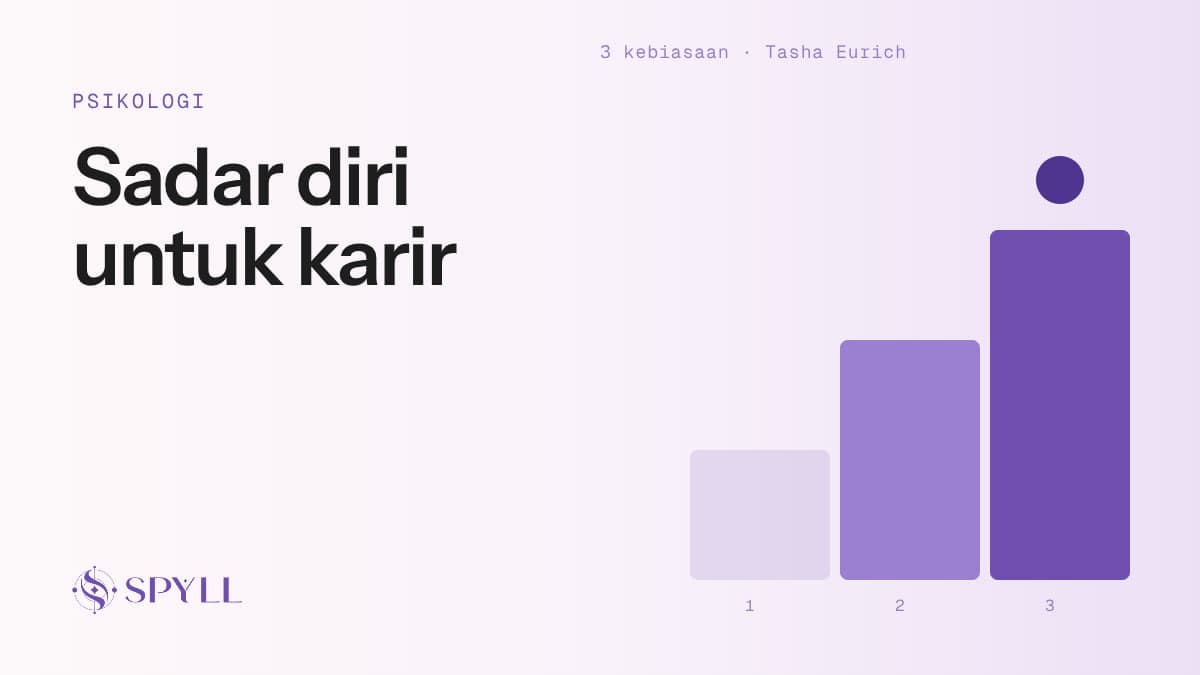
To improve self-awareness at work, build three habits: swap "why" questions for "what" questions, ask for honest feedback from people who have your back, and log your work patterns every week. The first two come from organizational psychologist Tasha Eurich, whose research treats self-awareness as a skill you can train rather than a fixed trait.
You have probably heard someone at work say "he's just not self-aware", as if it were something you are born with or without. Eurich's research points the other way: most people believe they are already self-aware when they aren't, and the gap can be narrowed with fairly simple habits.
Is self-awareness a talent or a skill?
Eurich and her team ran 10 studies with nearly 5,000 participants and summarized the results in Harvard Business Review in 2018. Most people believed they were self-aware, yet the team estimated that only 10 to 15 percent actually met the criteria. If the term itself still feels fuzzy, start with what self-awareness is.
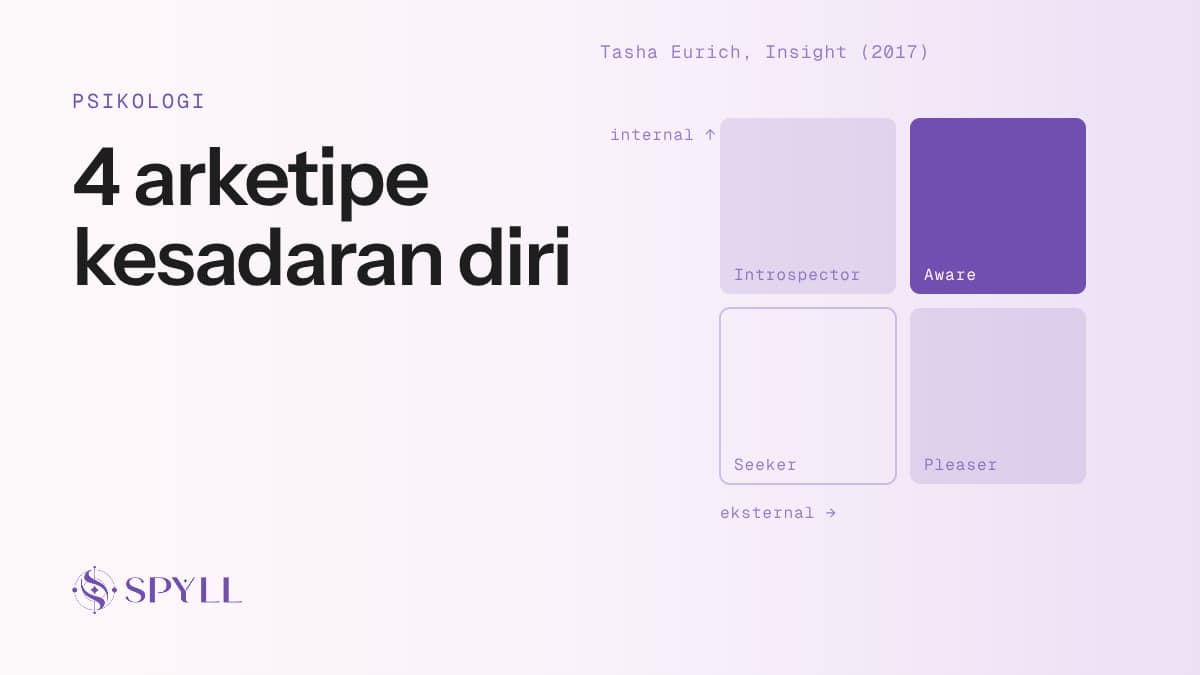
Her research separates two kinds of self-awareness:
- Internal self-awareness: how clearly you see your own values, passions, aspirations, reactions, and impact on others. In her data it goes with higher job and relationship satisfaction and with lower anxiety and stress.
- External self-awareness: how accurately you understand the way other people see those same things in you. People high on this one are better at empathy and at taking other perspectives.
Having one does not guarantee the other. The high and low combinations produce the four types covered in the 4 self-awareness archetypes.
Why do people get less self-aware as they get more senior?
One of Eurich's findings that matters most for careers: experience and power can get in the way of self-awareness. The higher someone climbs, the fewer people are willing to criticize them, and the less willing they are to listen.
In the same article, the leaders rated most effective in 360-degree reviews pushed against this by asking for critical feedback often, from bosses, peers, employees, and their board. Feeling competent while missing the gaps has its own name in psychology, covered in our post on the Dunning-Kruger effect.
How to improve self-awareness at work: 3 steps
1. Ask "what" instead of "why"
Eurich's team analyzed interview transcripts from highly self-aware people. The word "why" appeared fewer than 150 times, while "what" appeared more than 1,000 times. In her account, "why" questions tend to pull you into rumination, while "what" questions keep you objective and focused on the next move.
Her article gives the example of Jose, an entertainment industry veteran who hated his job. Instead of asking why he felt so terrible, he asked what situations made him feel terrible and what they had in common. The answer showed him that career was never going to fit, and he moved into wealth management.
Try it on everyday work situations:
- "Why am I always defensive?" becomes "What was said in that meeting that made me feel threatened?"
- "Why am I so lazy?" becomes "What usually happens in the 10 minutes before I put a task off?"
- "Why didn't I get promoted?" becomes "What did the people who got promoted do that I haven't done yet?"
2. Find your loving critics
Eurich found that people who improved their external self-awareness did it through loving critics: people who have your best interests in mind and are willing to tell you the truth. To avoid overreacting to one opinion, they also checked difficult feedback with others first.
Pick two or three people, say your direct manager, a teammate, and a friend who once worked with you. Ask one specific question:
"What's one of my work habits that makes working with me harder?"
Listen to the end, say thank you, and hold your defense until the next day. When two people name the same thing, that is data worth acting on.
3. Log your work patterns for 10 minutes a week
This step doesn't come from Eurich's research. Its job is to turn the first two steps into a routine. Every Friday afternoon, write down answers to three questions:
- Which work gave me the most energy this week?
- Which decision turned out badly, and what was different about the decisions that worked?
- What feedback did I get, and what was my first reaction?
After four or five weeks, read your notes back. One messy presentation is an incident. If you always start preparing the night before, that is a pattern, and a different schedule can change it.
When the feedback knocks you down
Honest feedback can feel like an attack, and it easily turns into "I'm just no good at this". At that point what is running the show is self-doubt, and how it differs from self-awareness is covered in self-awareness vs self-doubt.
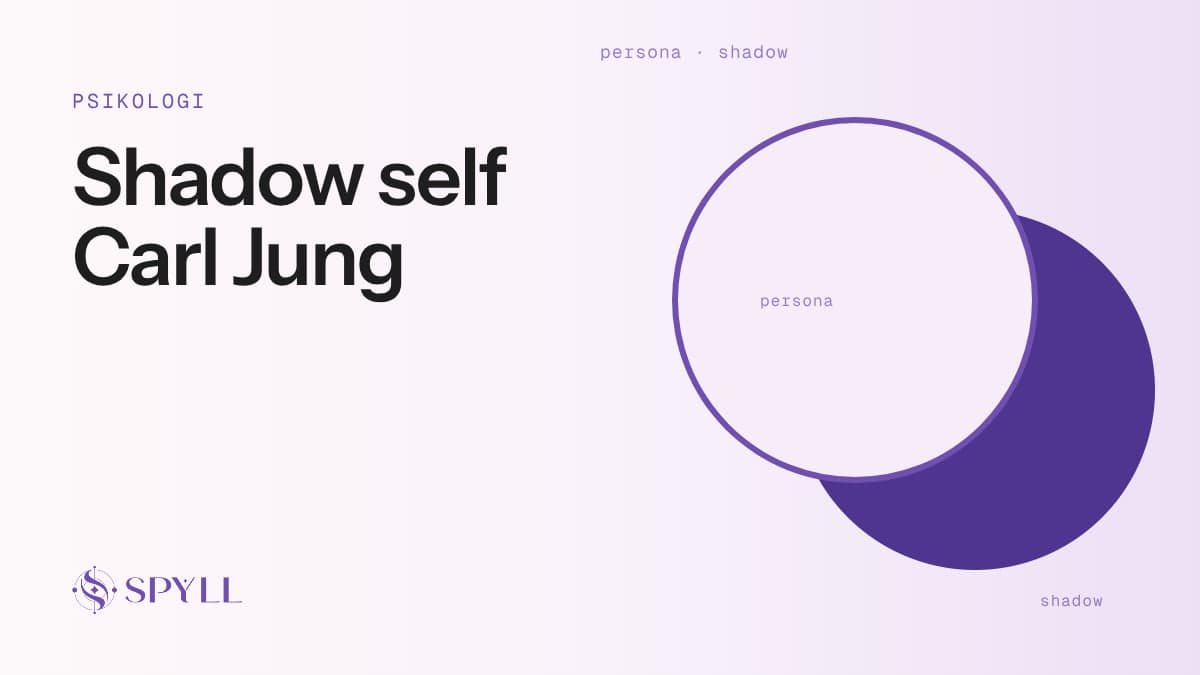
Some feedback stings far more than the size of the problem. A reaction like that often points to a side of yourself you are not ready to admit, which Carl Jung called the shadow self. If the sense of worthlessness sticks around for weeks, talking to a psychologist will help more than practicing alone.
A BaZi mirror: blind spots you can read in a chart
BaZi can give you sharper questions for your loving critics. For example, SPYLL's data reads the Geng Metal Day Master as decisive and straight to the point, with a blind spot of blunt communication that can hurt teammates without meaning to.
If your Day Master is Geng, your question to a colleague can get more specific: "Has the way I give criticism ever made you hold back in a meeting?" The chart doesn't prove you do this, but it gives you a starting point to check with real people. Work styles for each element are covered in more depth in BaZi for career guidance.
Your loving critics' answers are easier to use when you have words for your own patterns. SPYLL's profiling maps your archetype, Day Master, and work tendencies from your birth date, so you can bring one specific blind spot into your next conversation with your manager or a teammate.
Akhmad Erlangga
· Founder & Framework ArchitectSystems builder focused on personality analytics and self-discovery frameworks. He synthesizes established psychometric models and behavioral dynamics to create structured reflection tools at Spyll.